Off-grid college.
Built from scratch.
Mars College is an annual off-grid pop-up college built literally from the ground up every winter in the California desert.
01 Seven years and counting
An uncollege in the desert
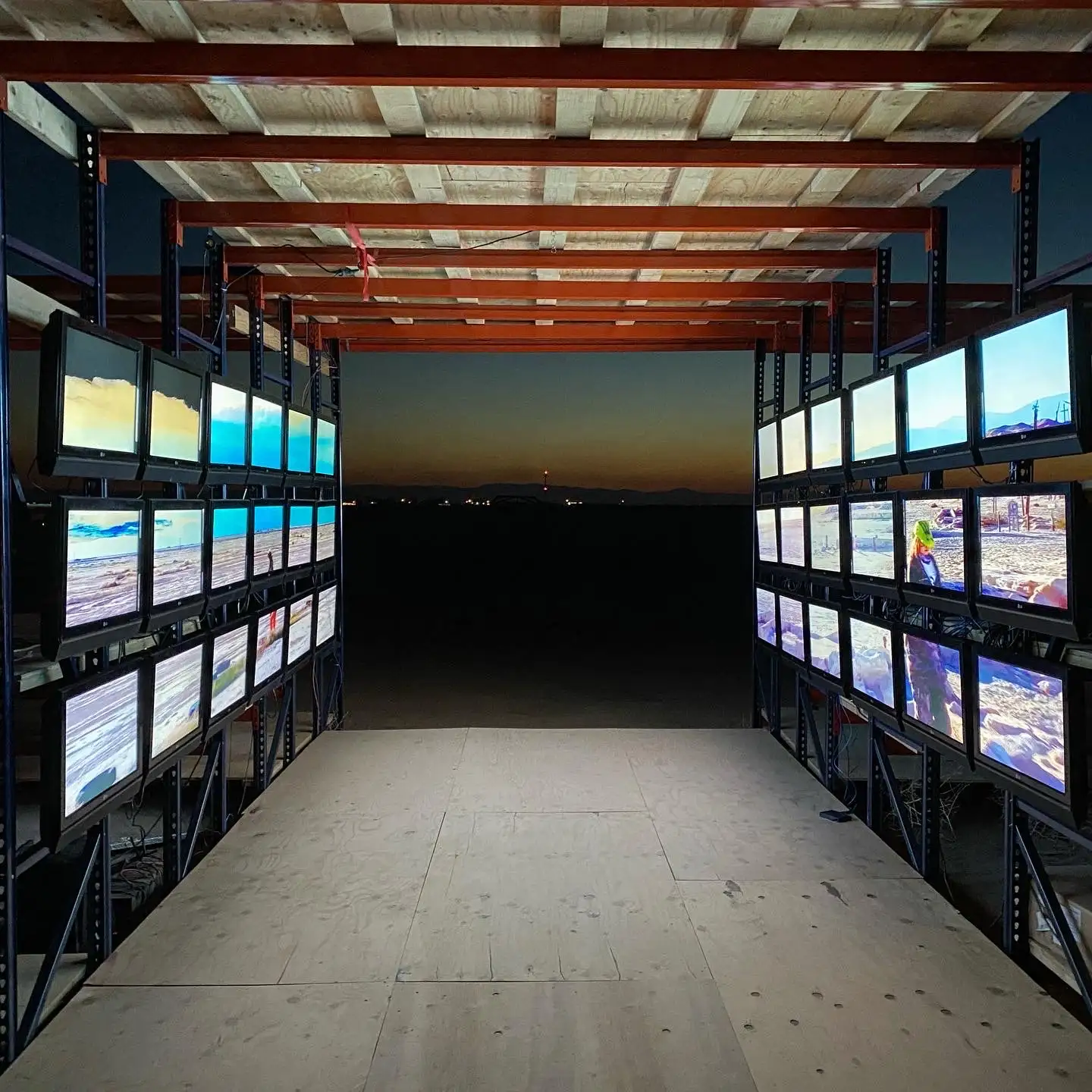
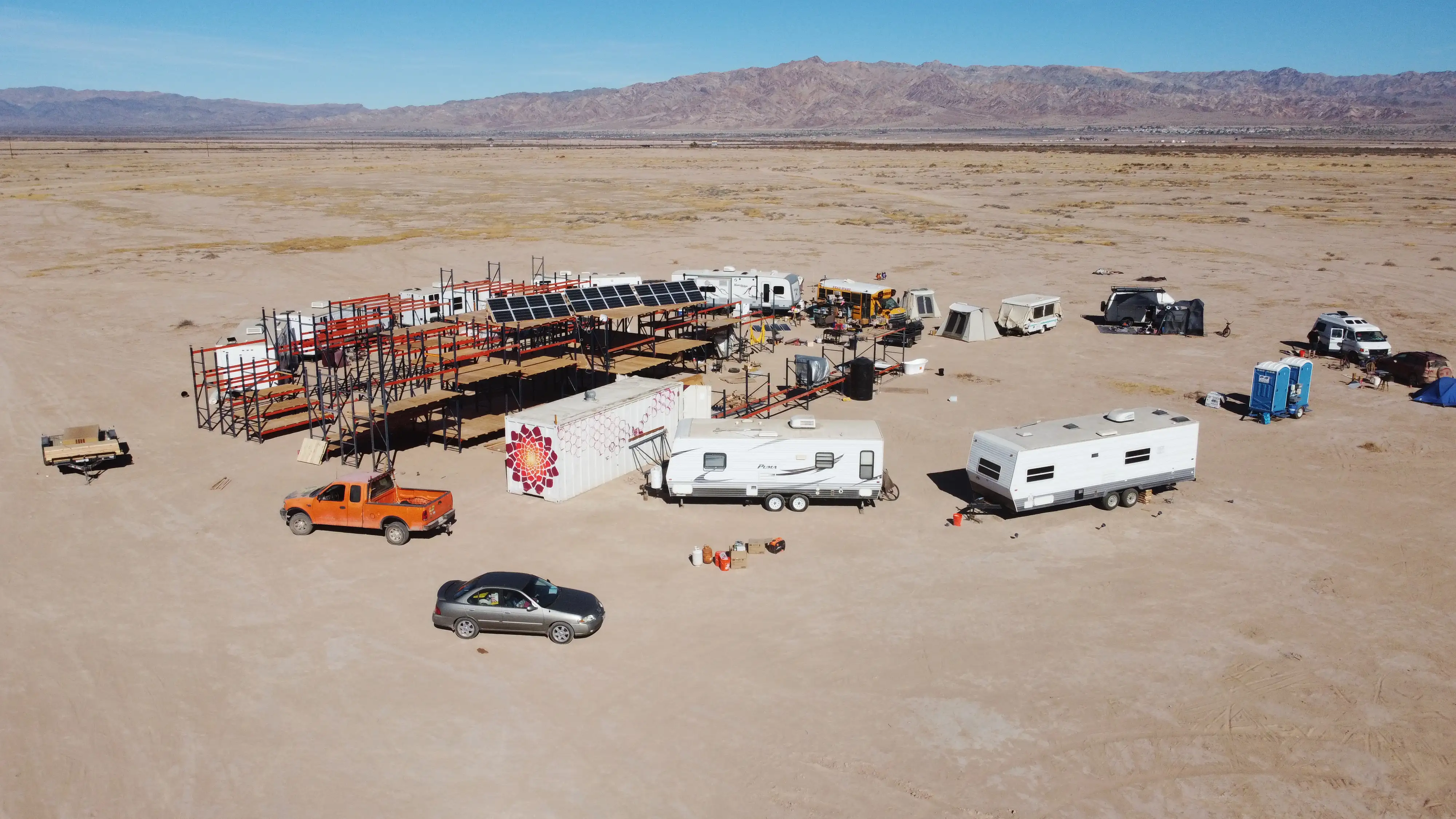
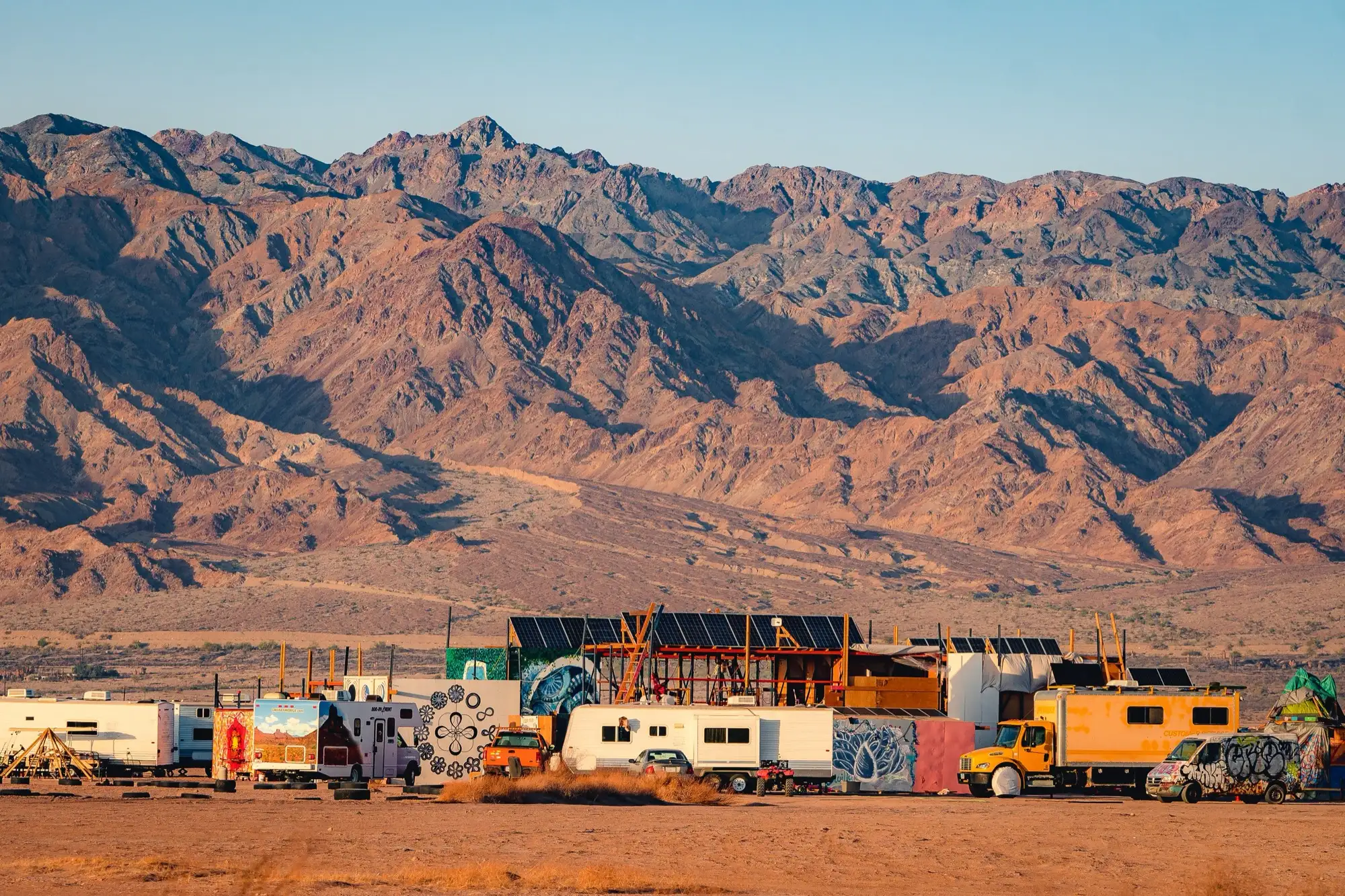
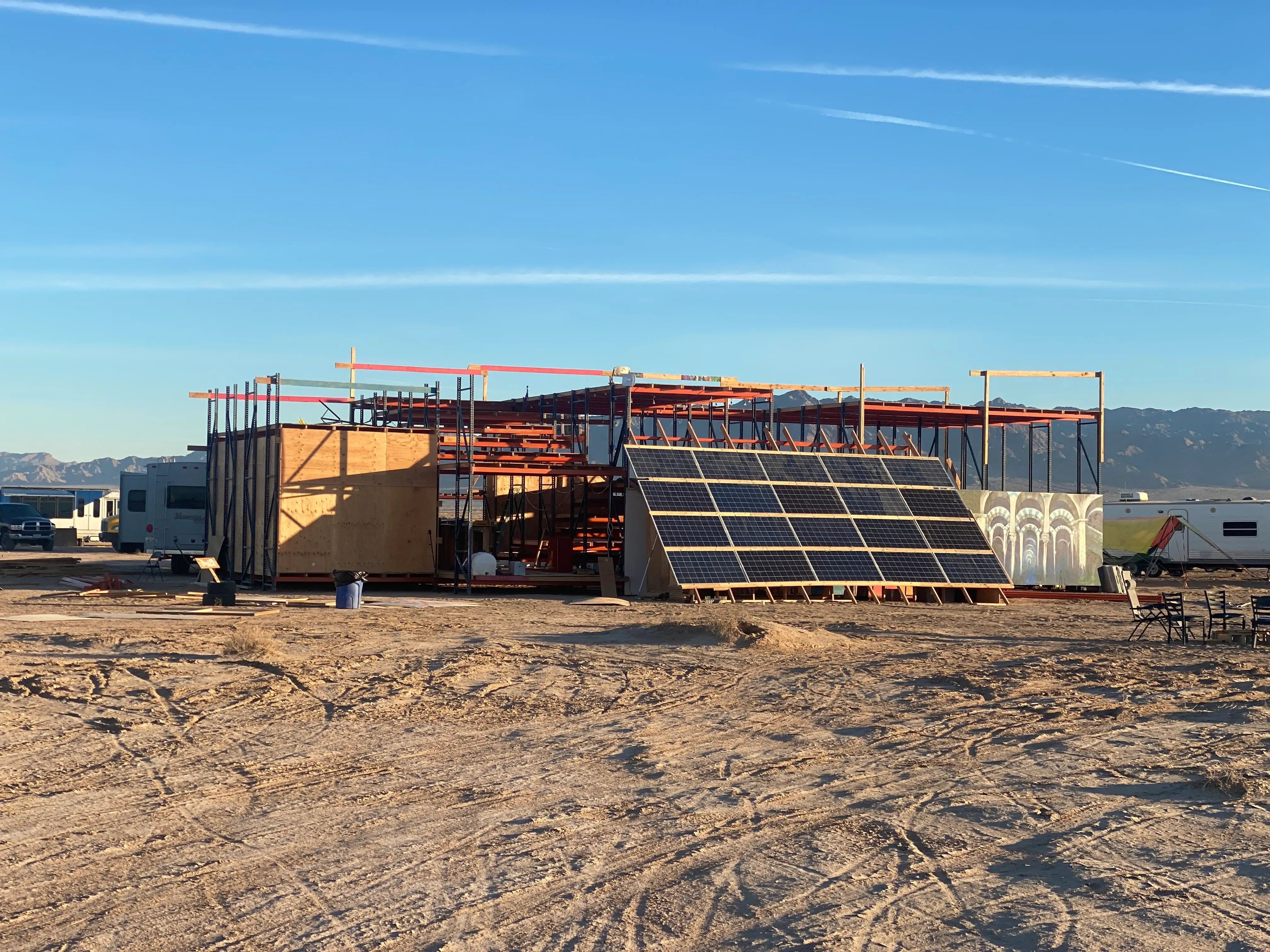
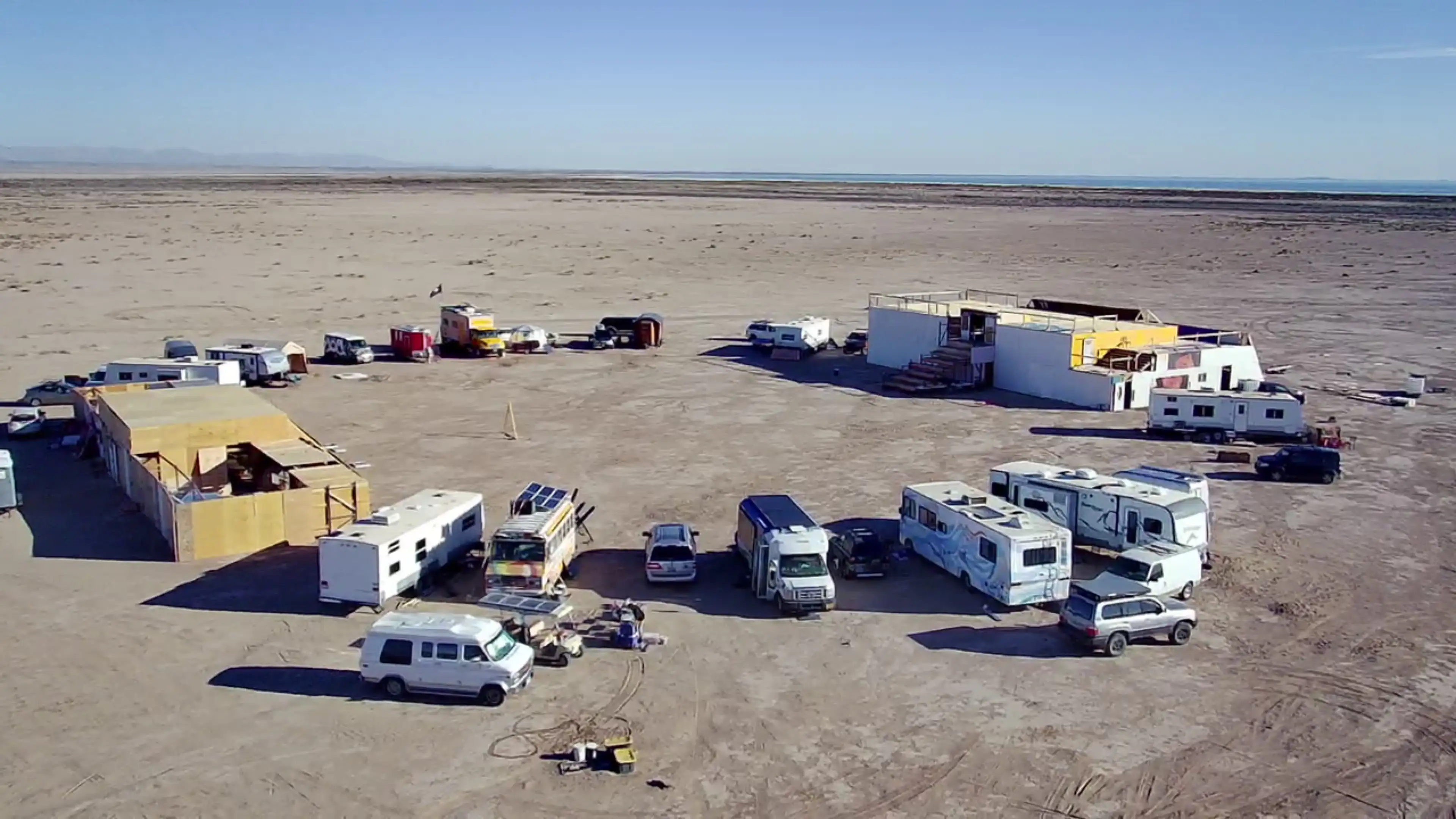
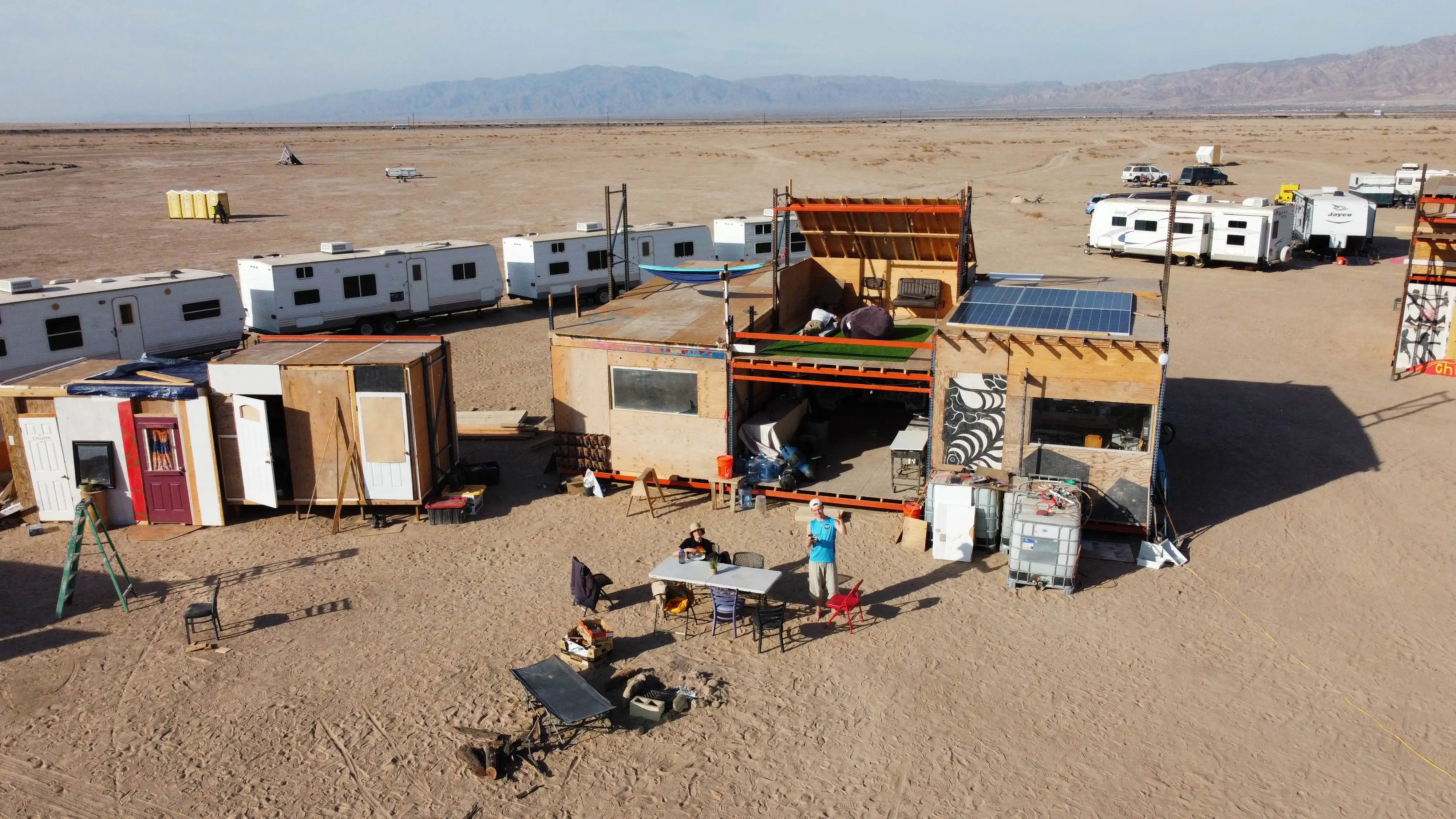
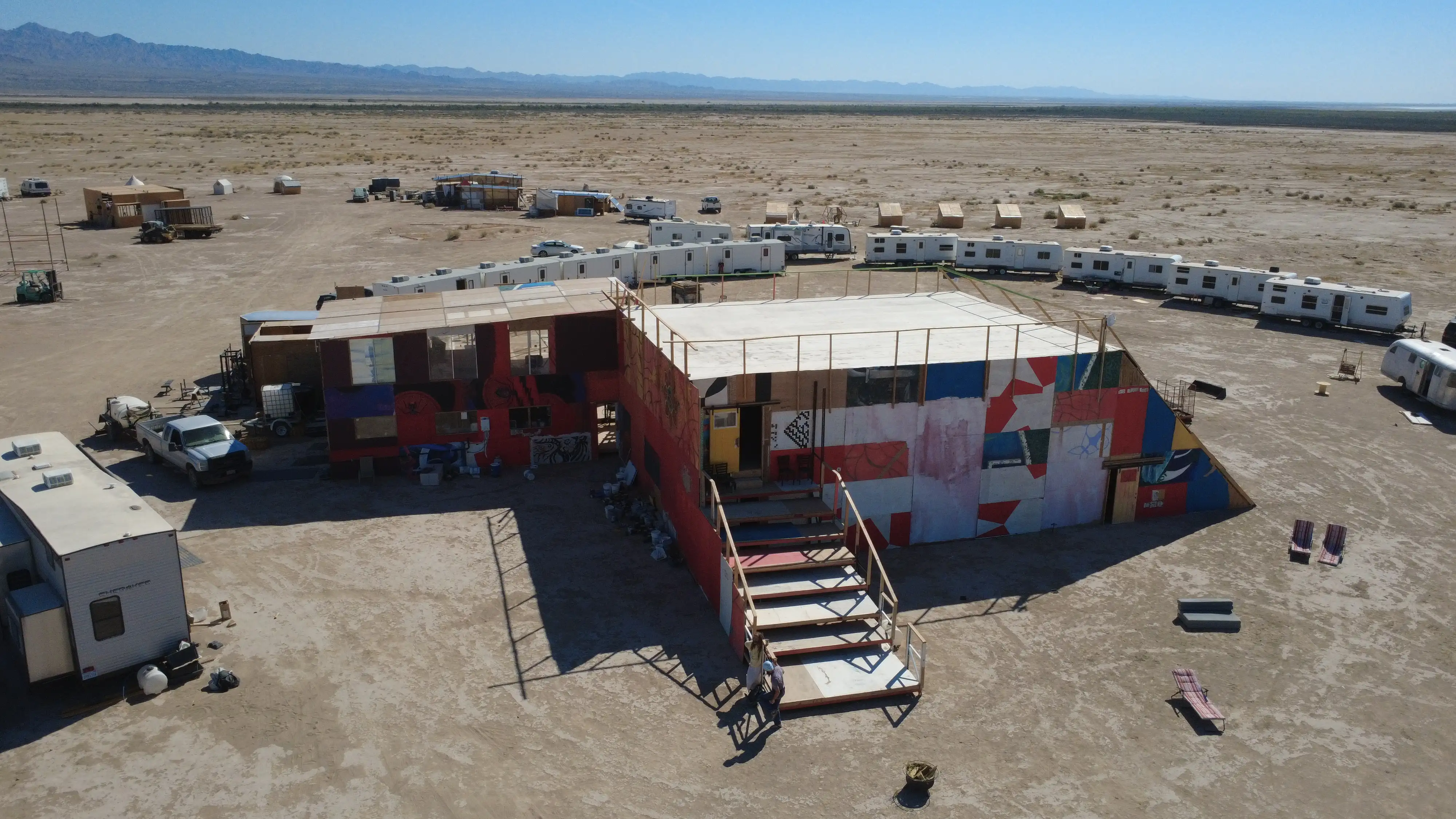
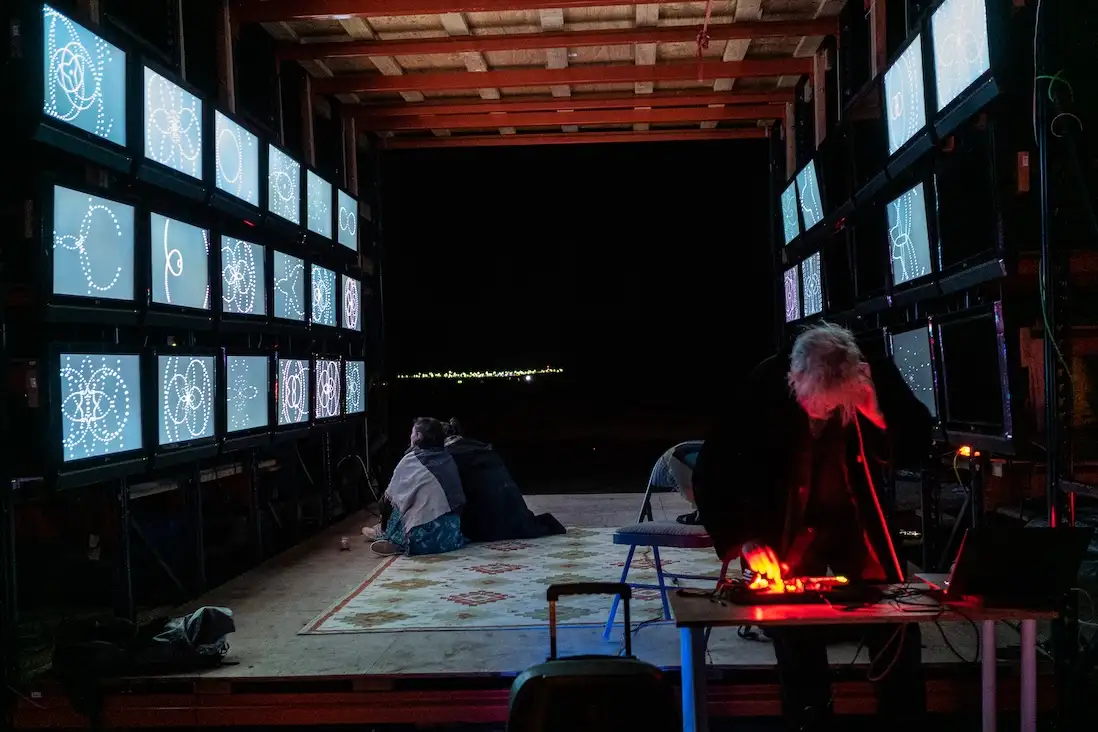
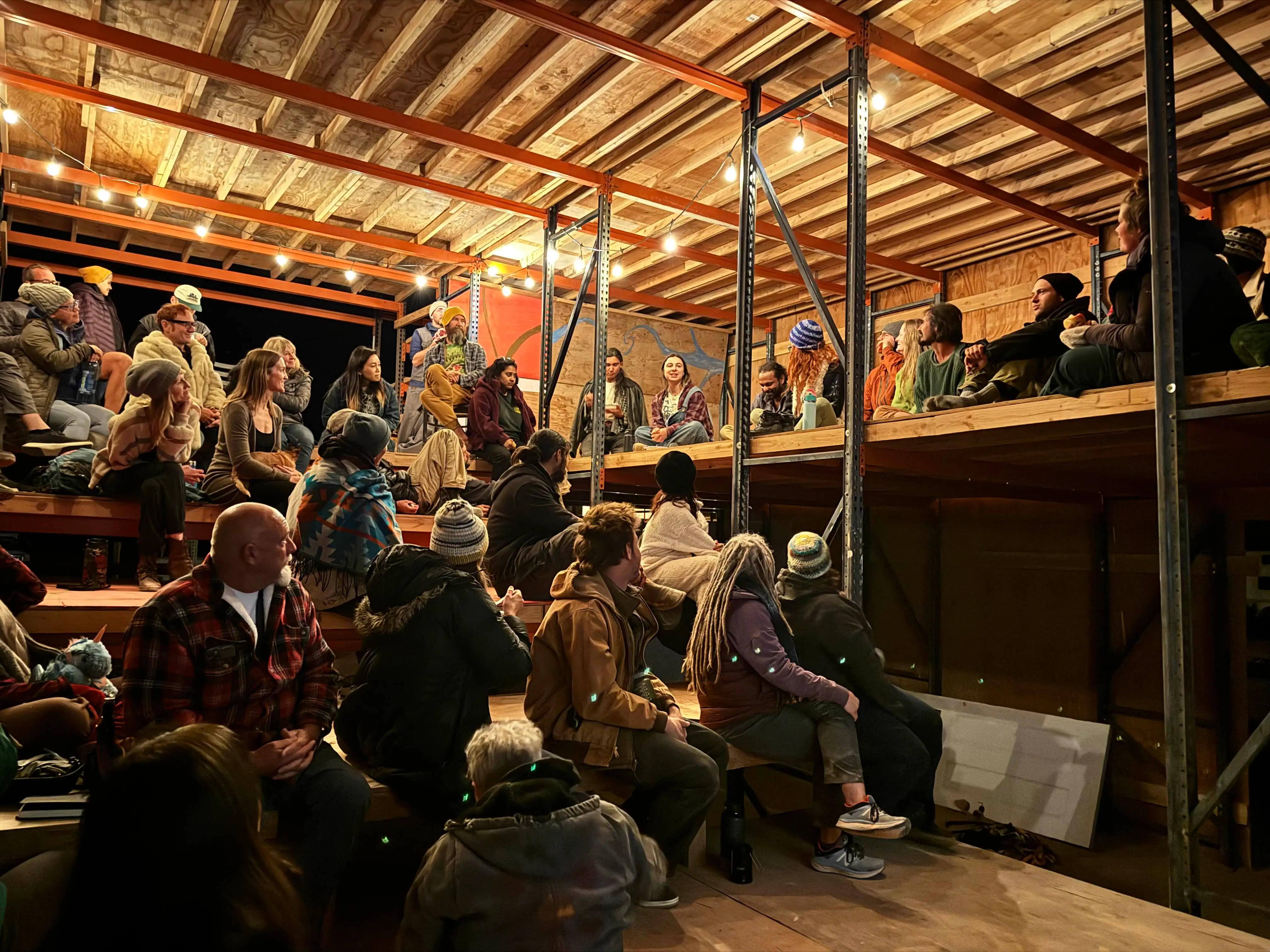
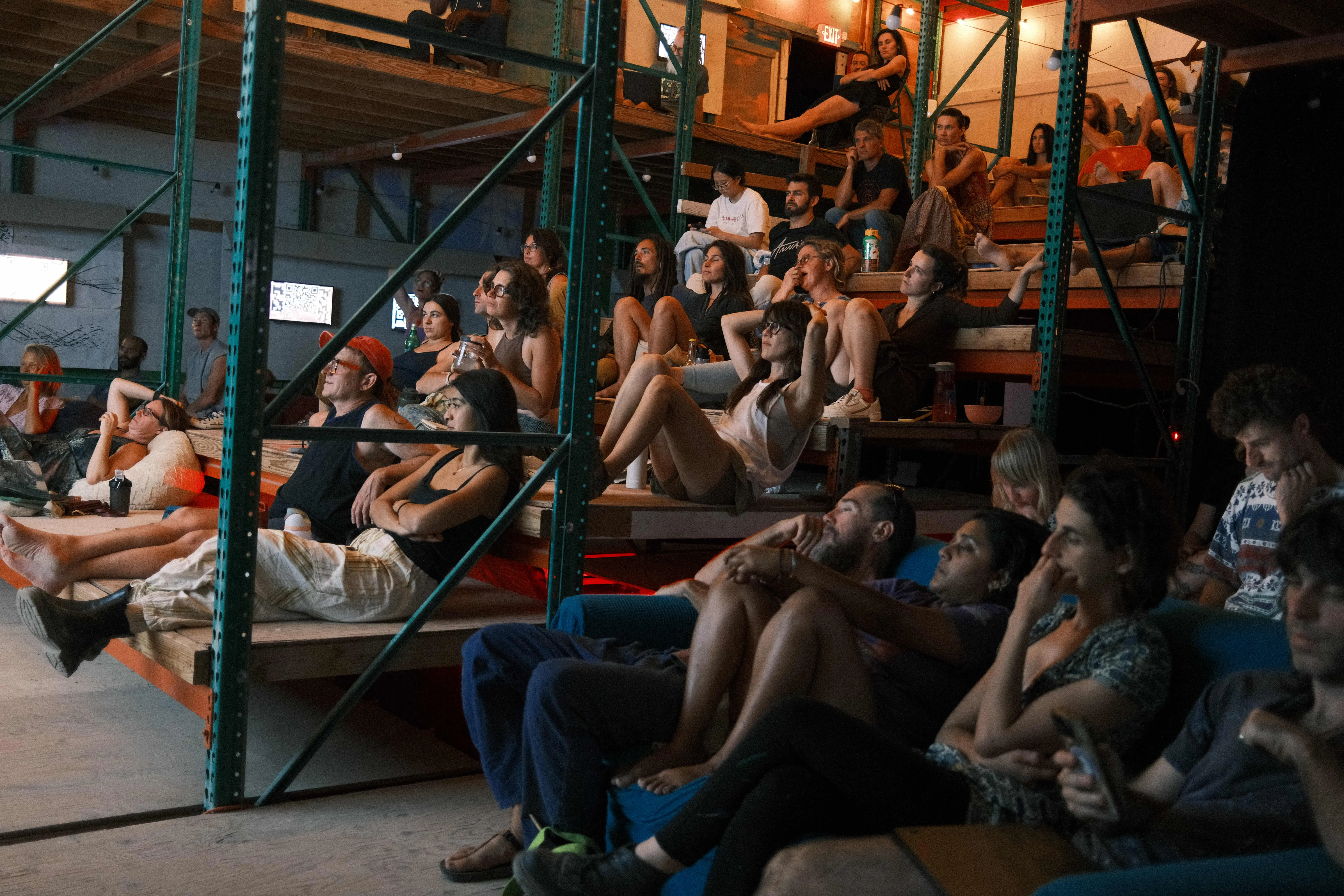
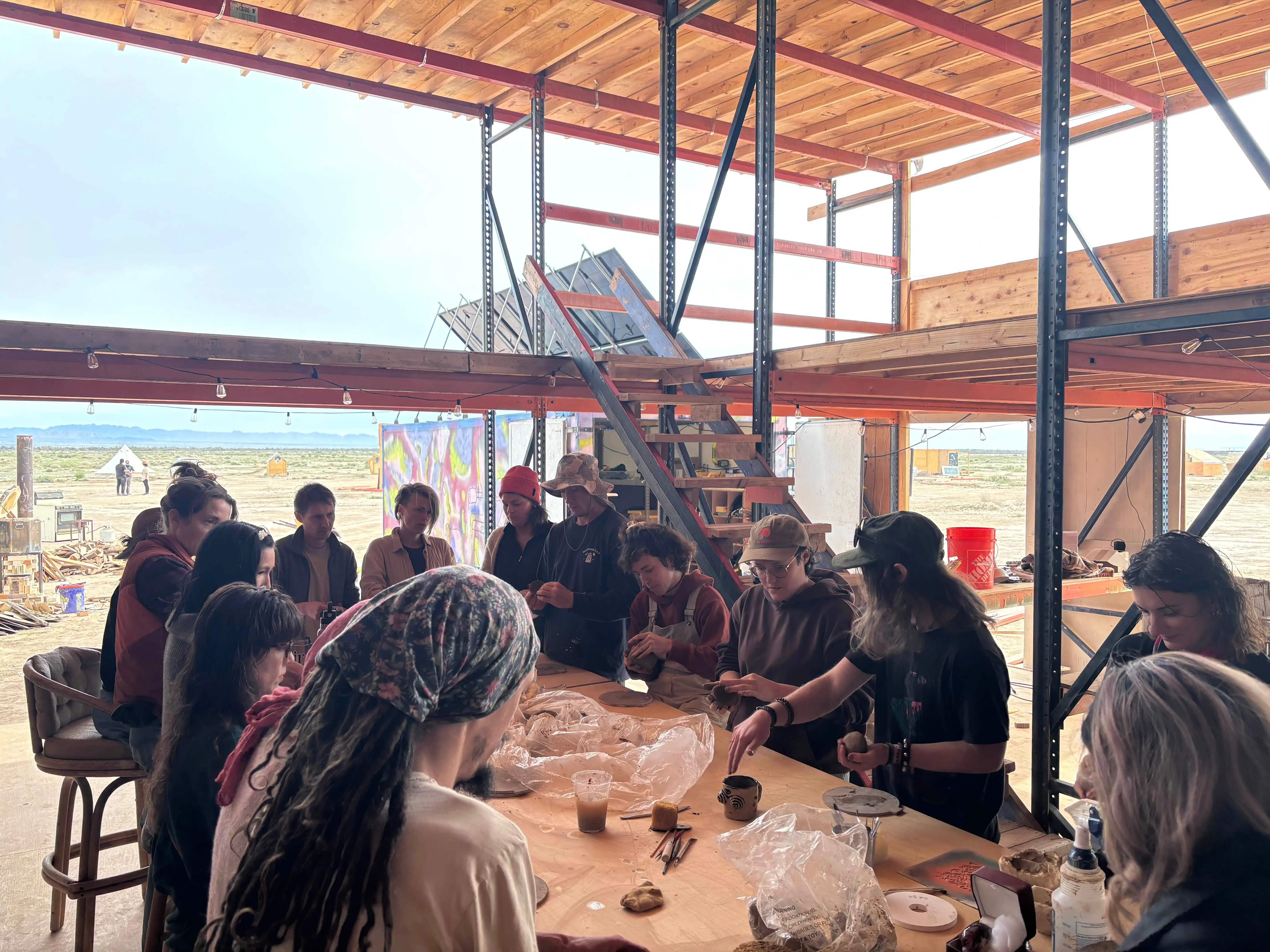
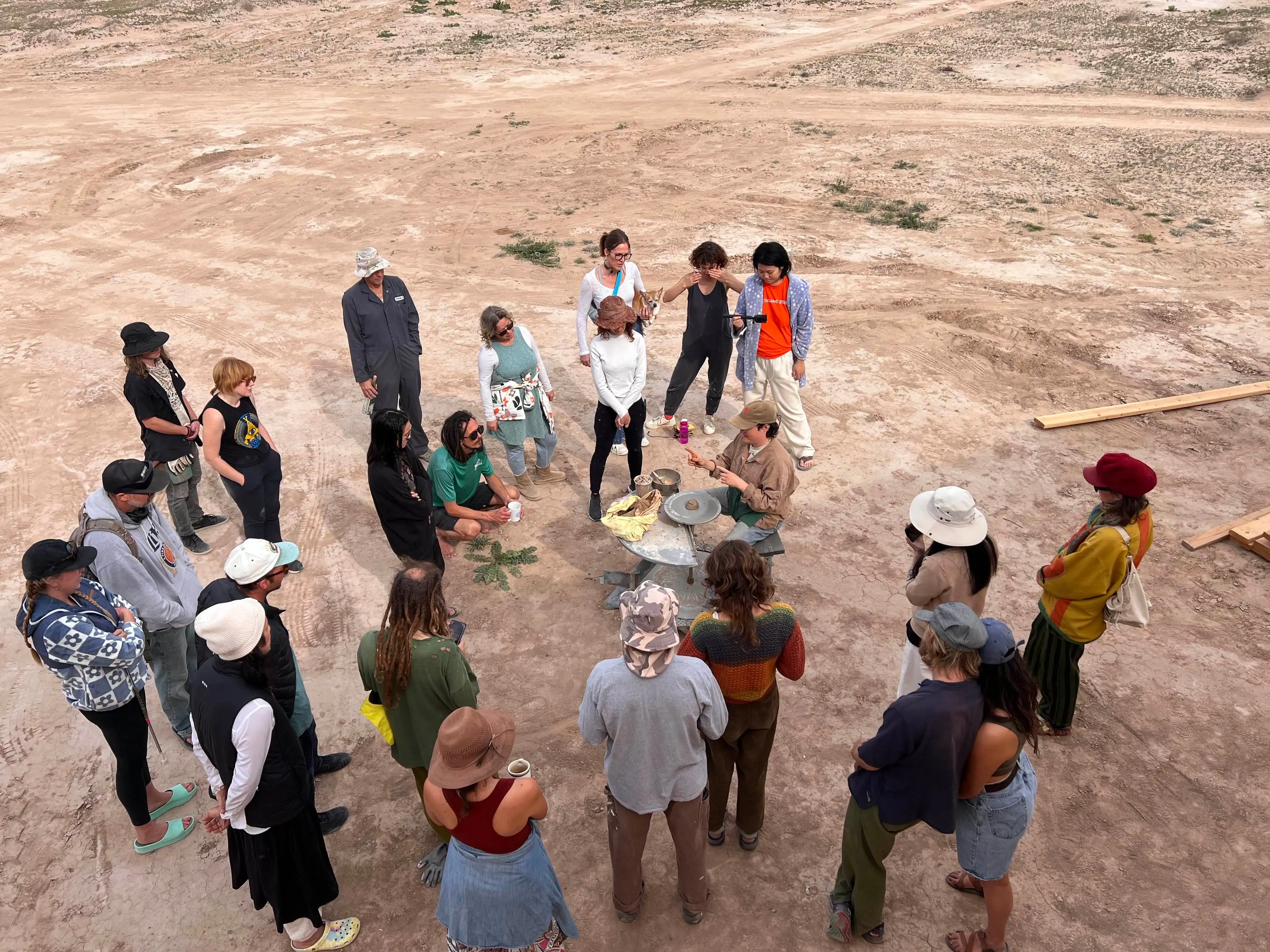
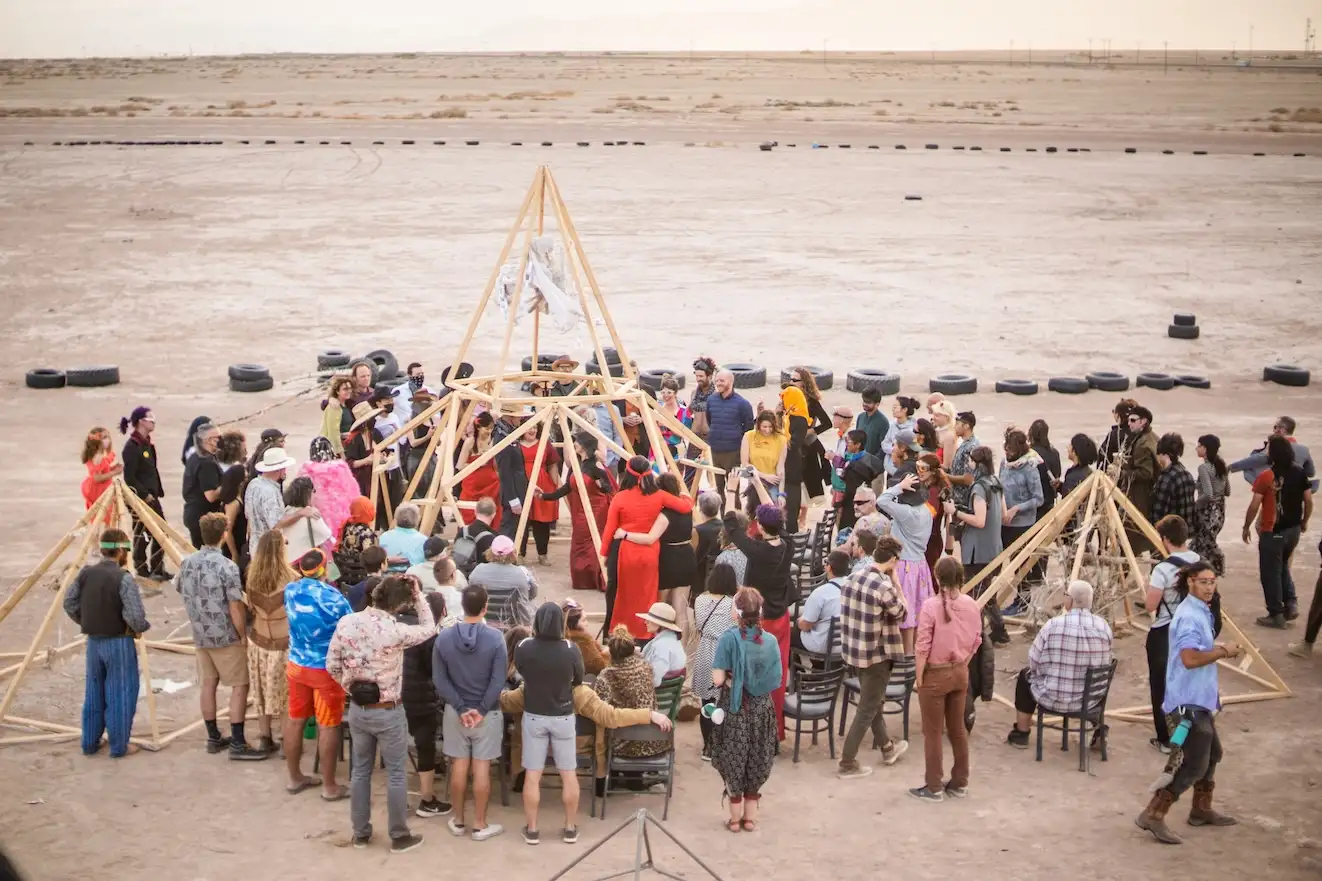
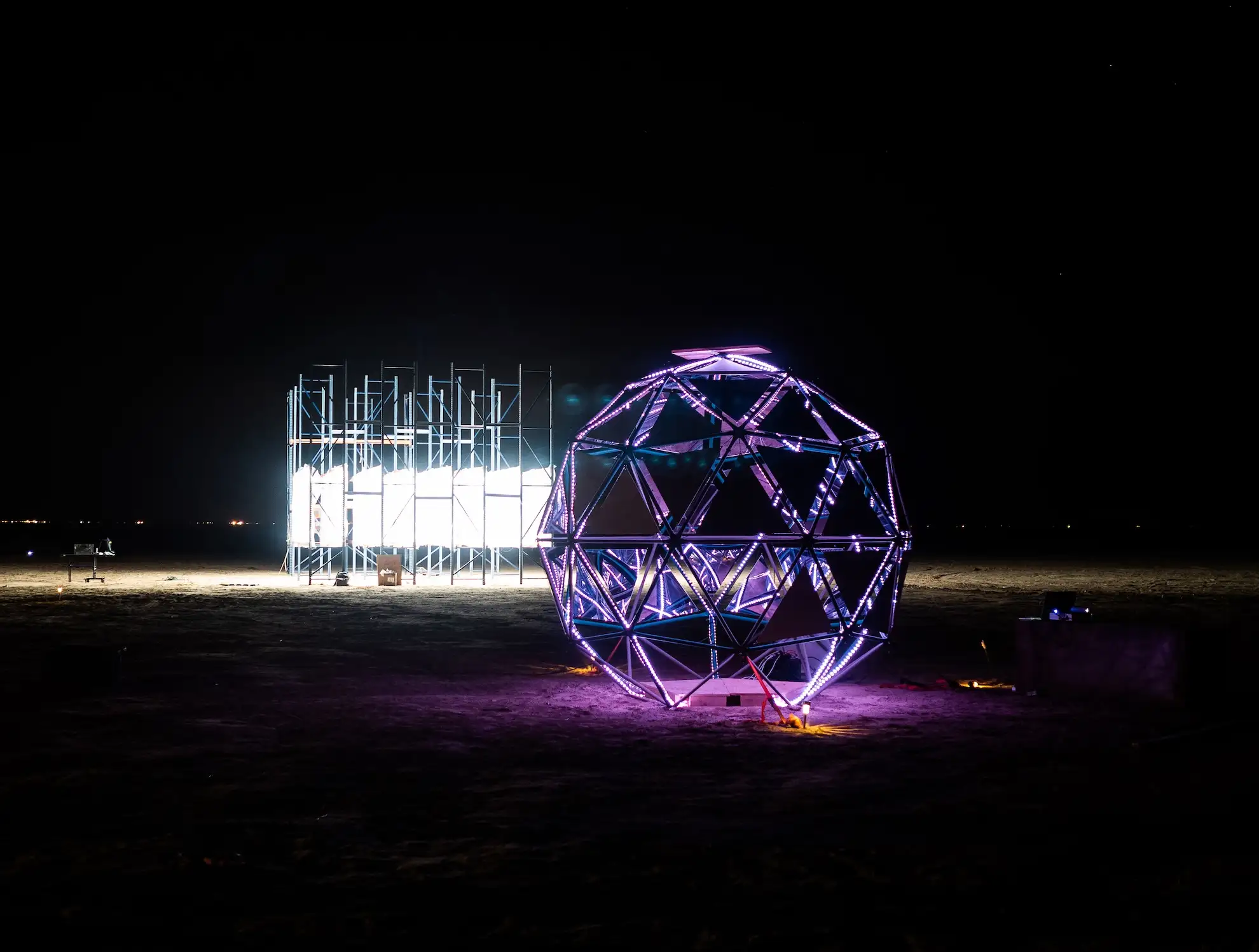
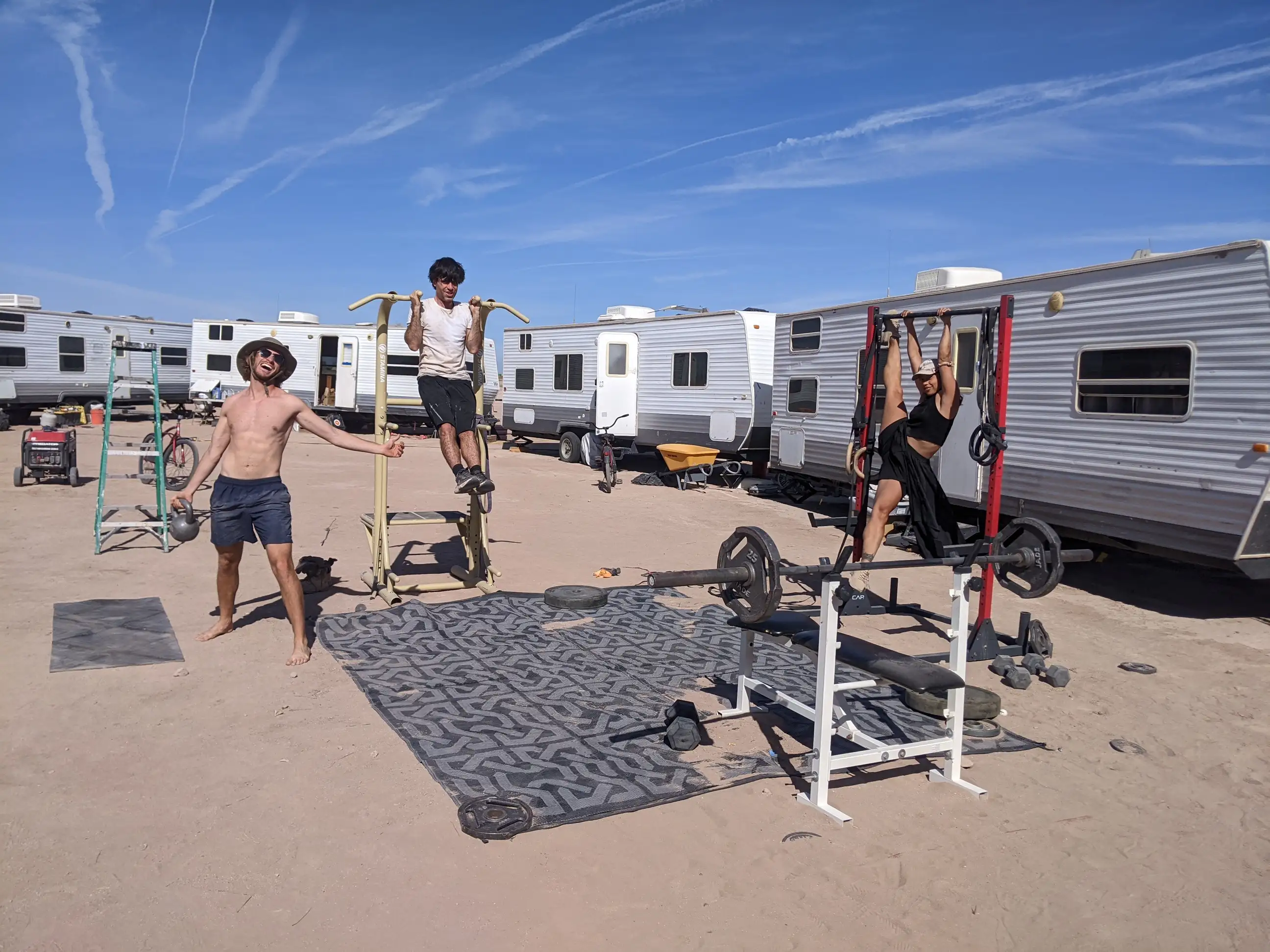
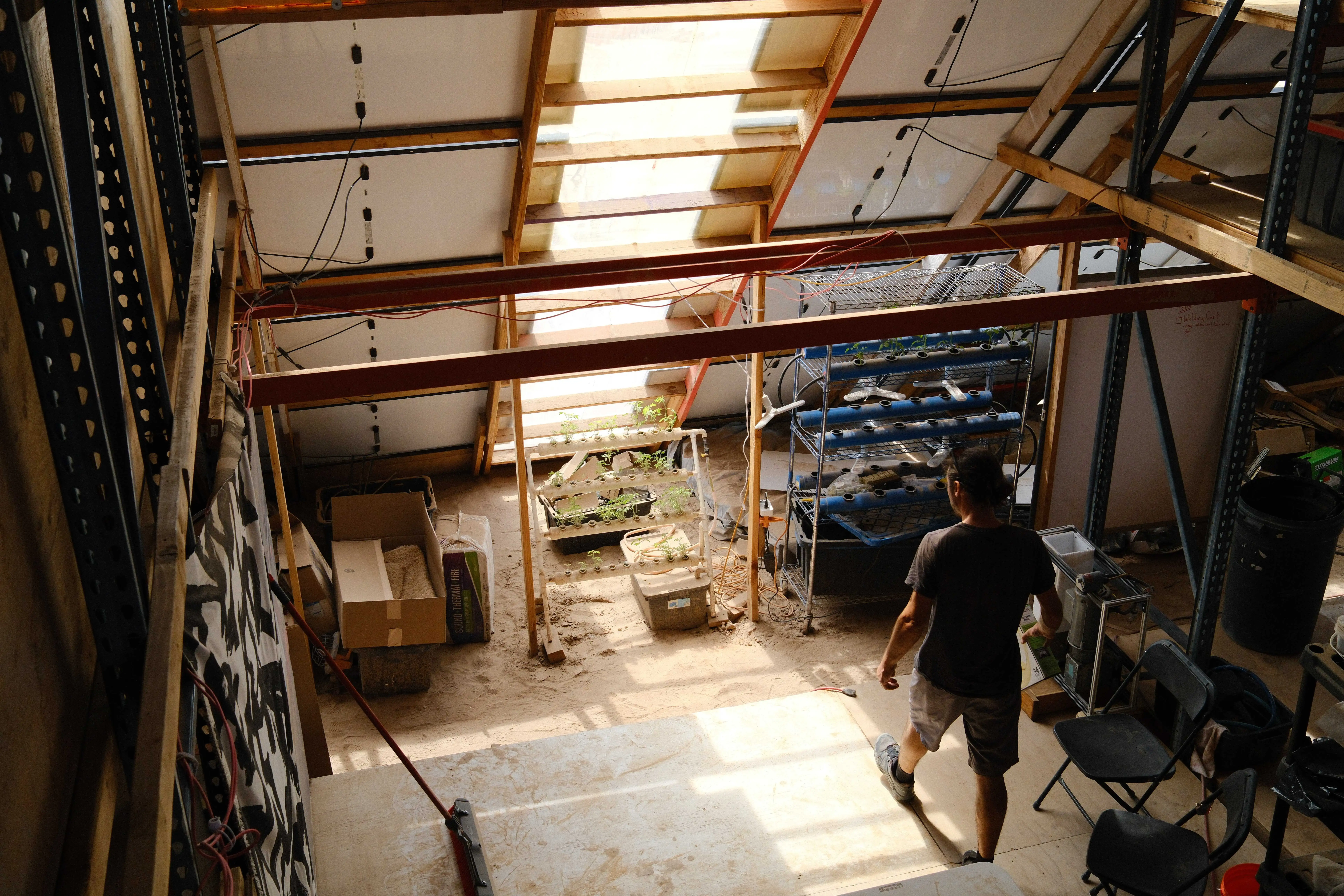
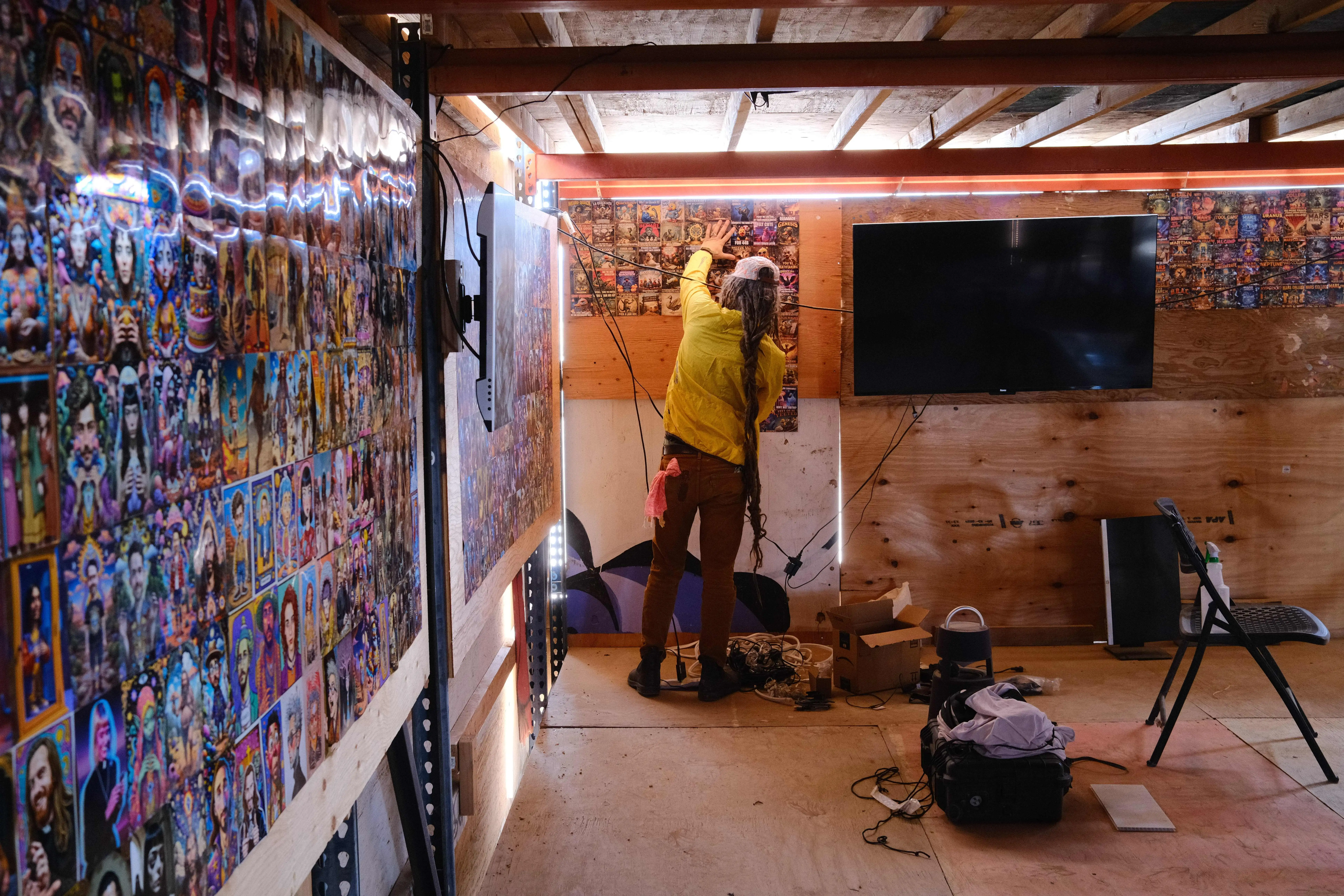
Every winter since 2020, Mars College builds a temporary off-grid campus on a dry lake bed by the Salton Sea, near Bombay Beach, California. It's assembled mostly by-hand from pallet racks and plywood, powered by solar, with water, internet, and the other camp services figured out together, from first principles. For three months it runs like a full college town: classes, art, events, a co-op gallery, a film festival, and whatever else Martians come up with while we're there. Each spring it's torn down and the desert is left empty as it was found, until next year when we renew it again. Each season of Martians brings a new and unpredictable cohort: every age, nationality, background, and skill, all here for reasons of their own.
-
2020
-
2021
-
2022
-
2023
-
2024
-
2025
-
2026
02 Life on Mars
Everyone teaches, everyone learns
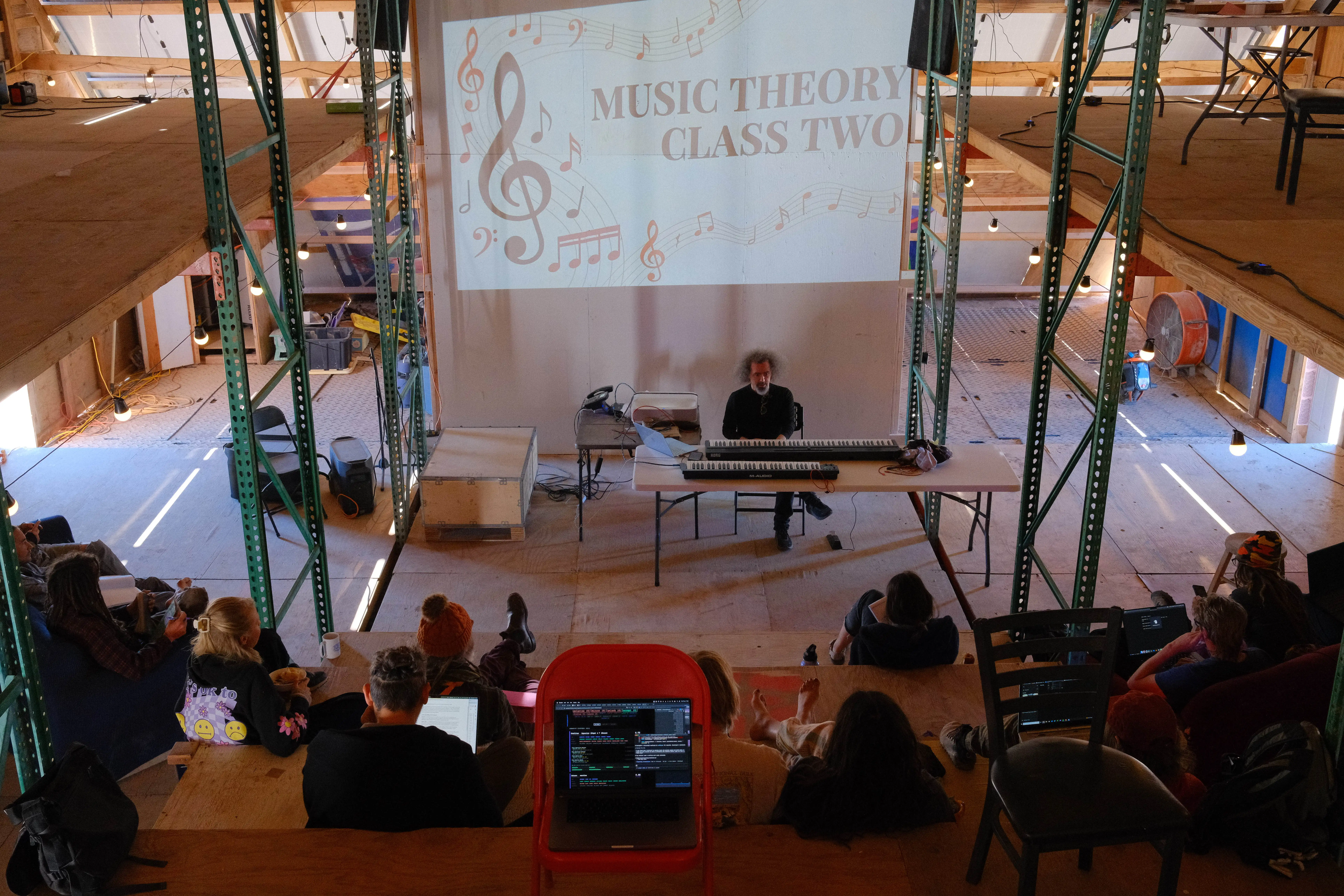
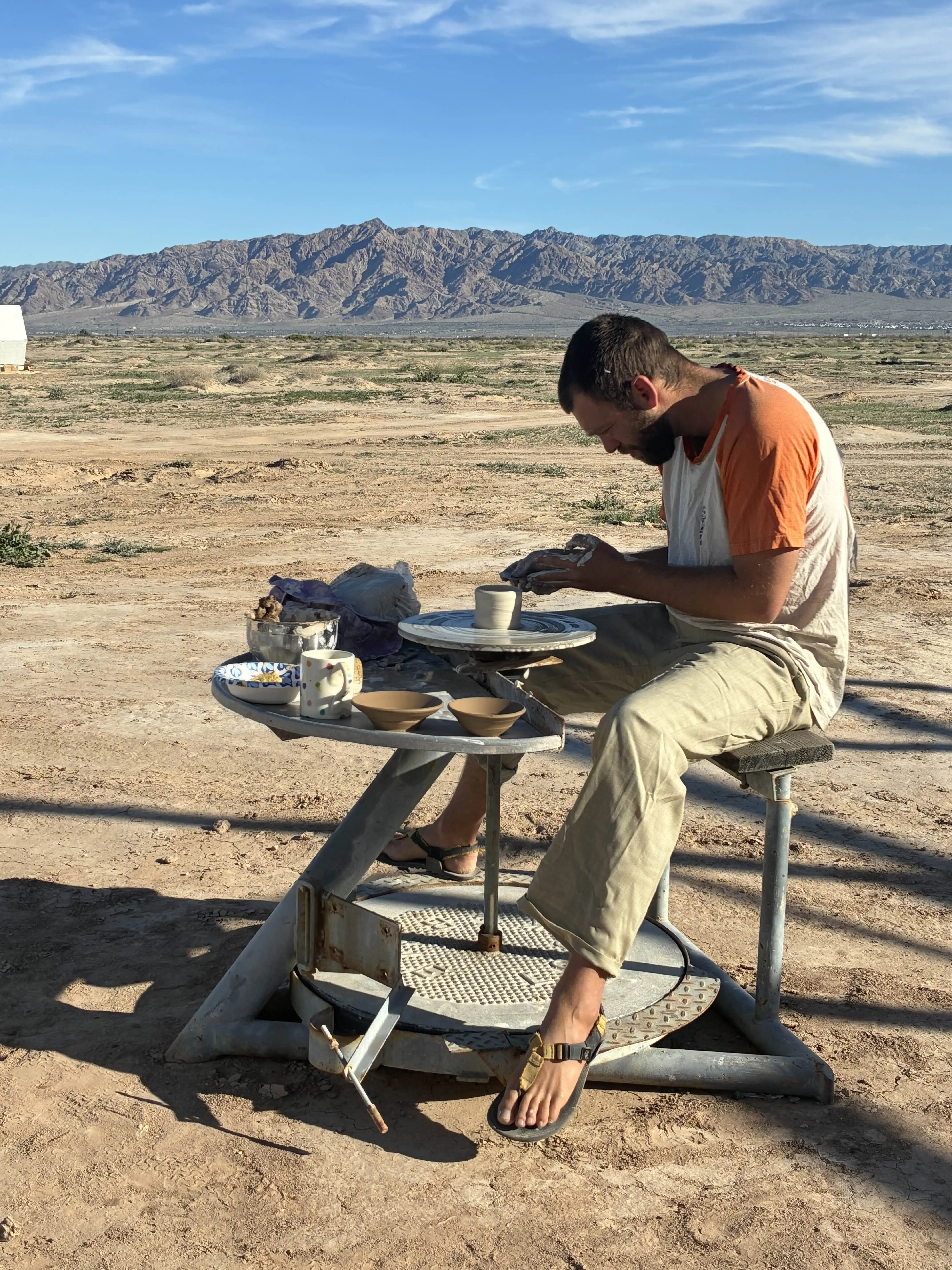
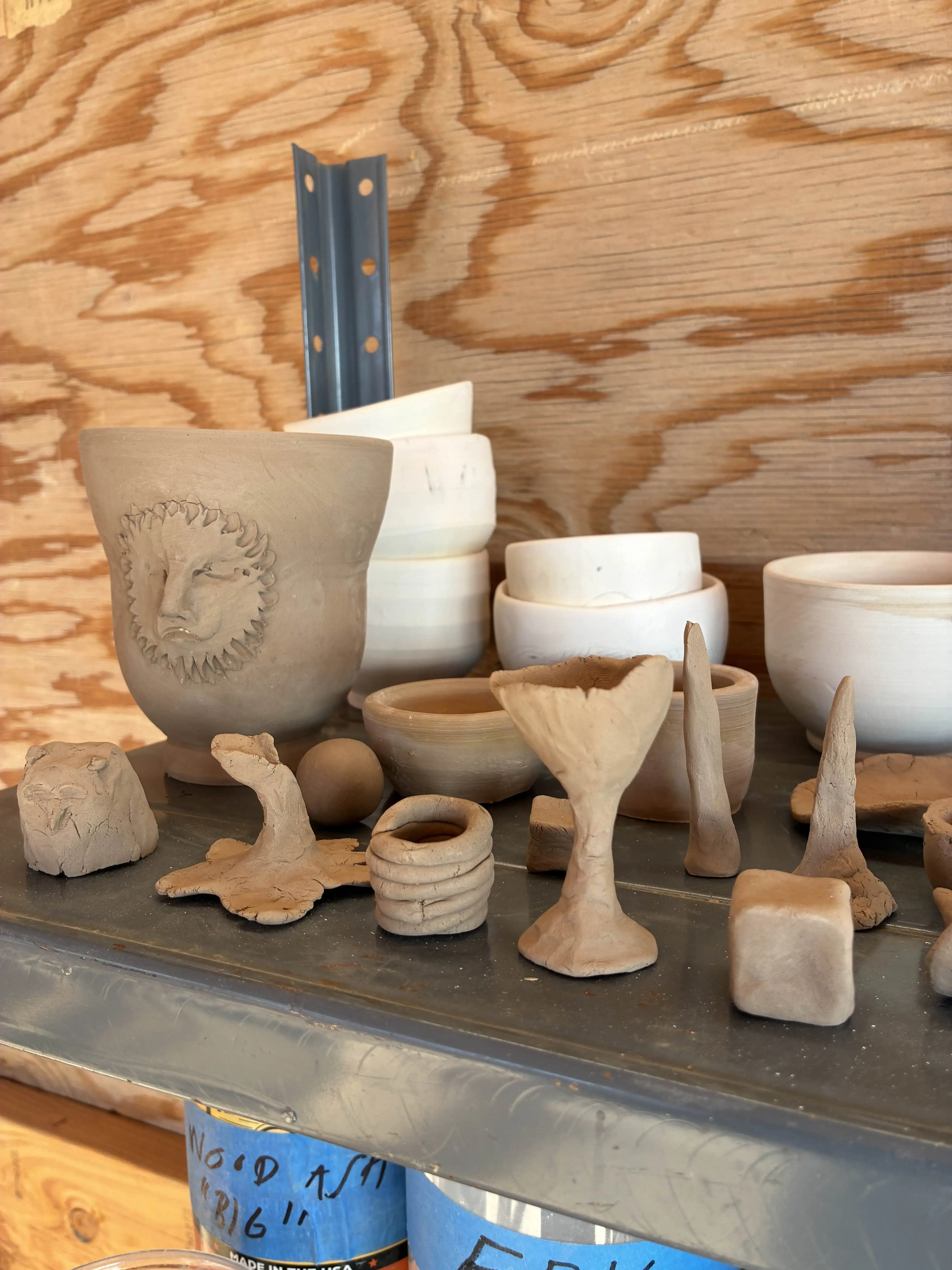
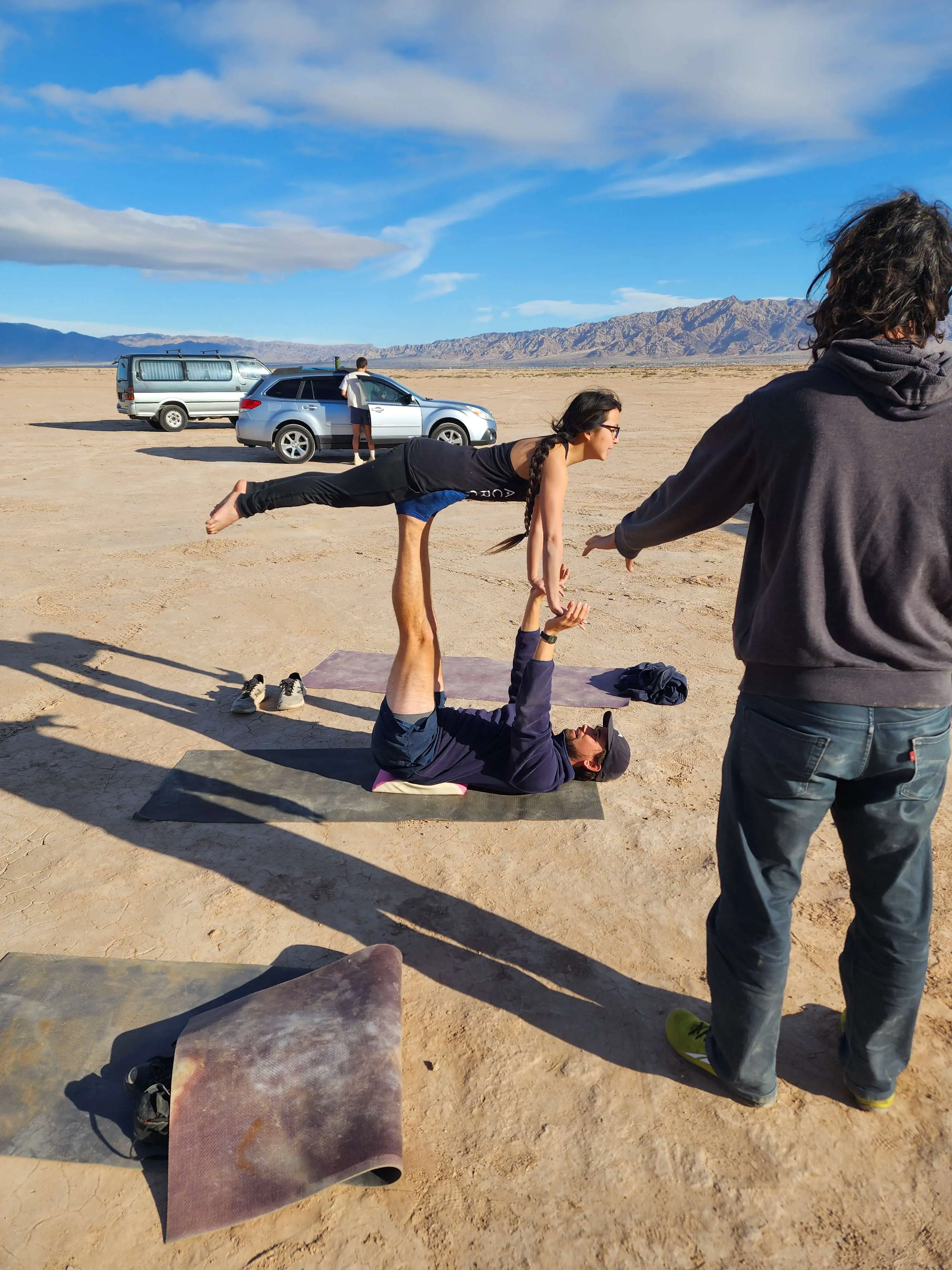
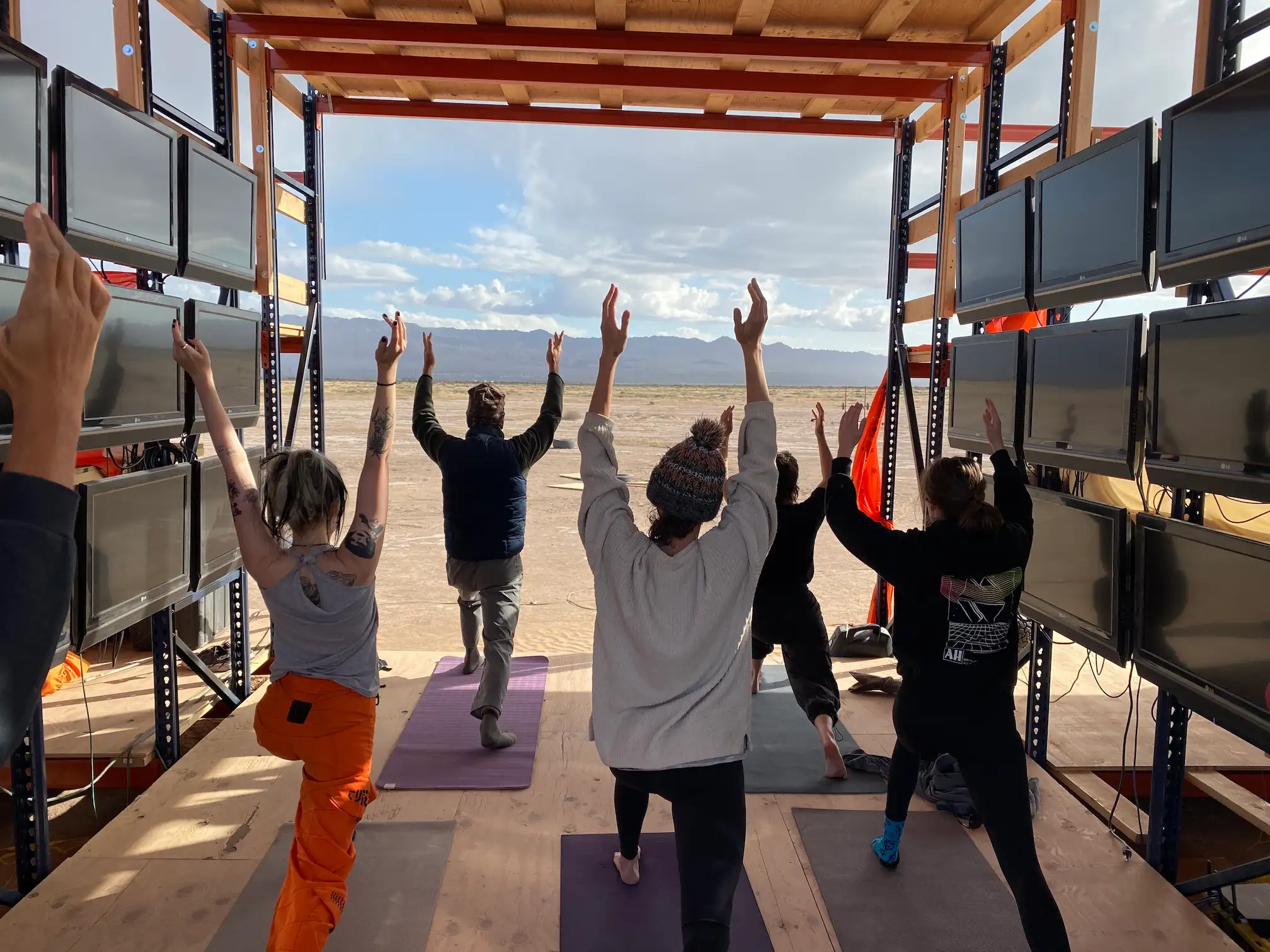
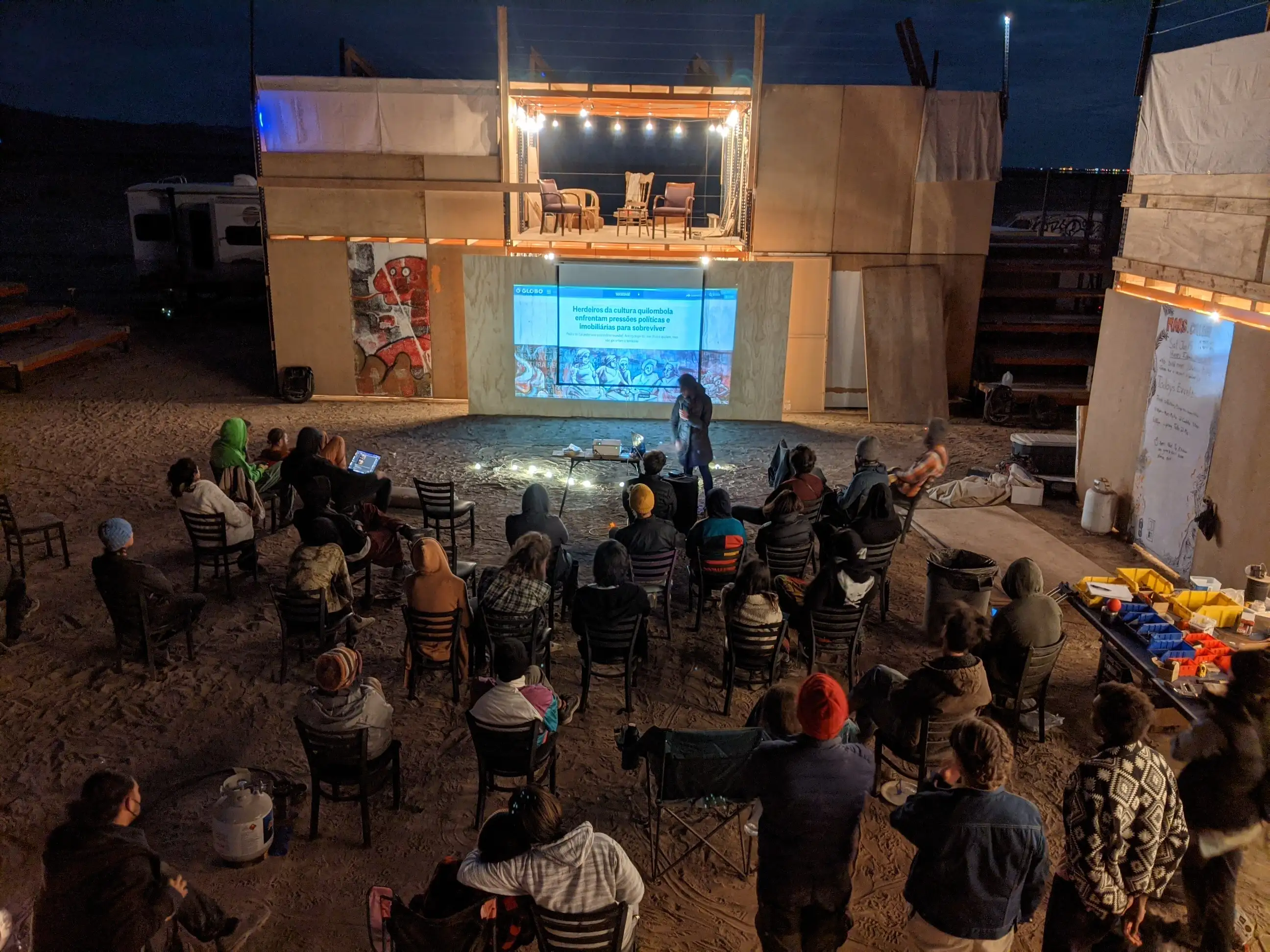
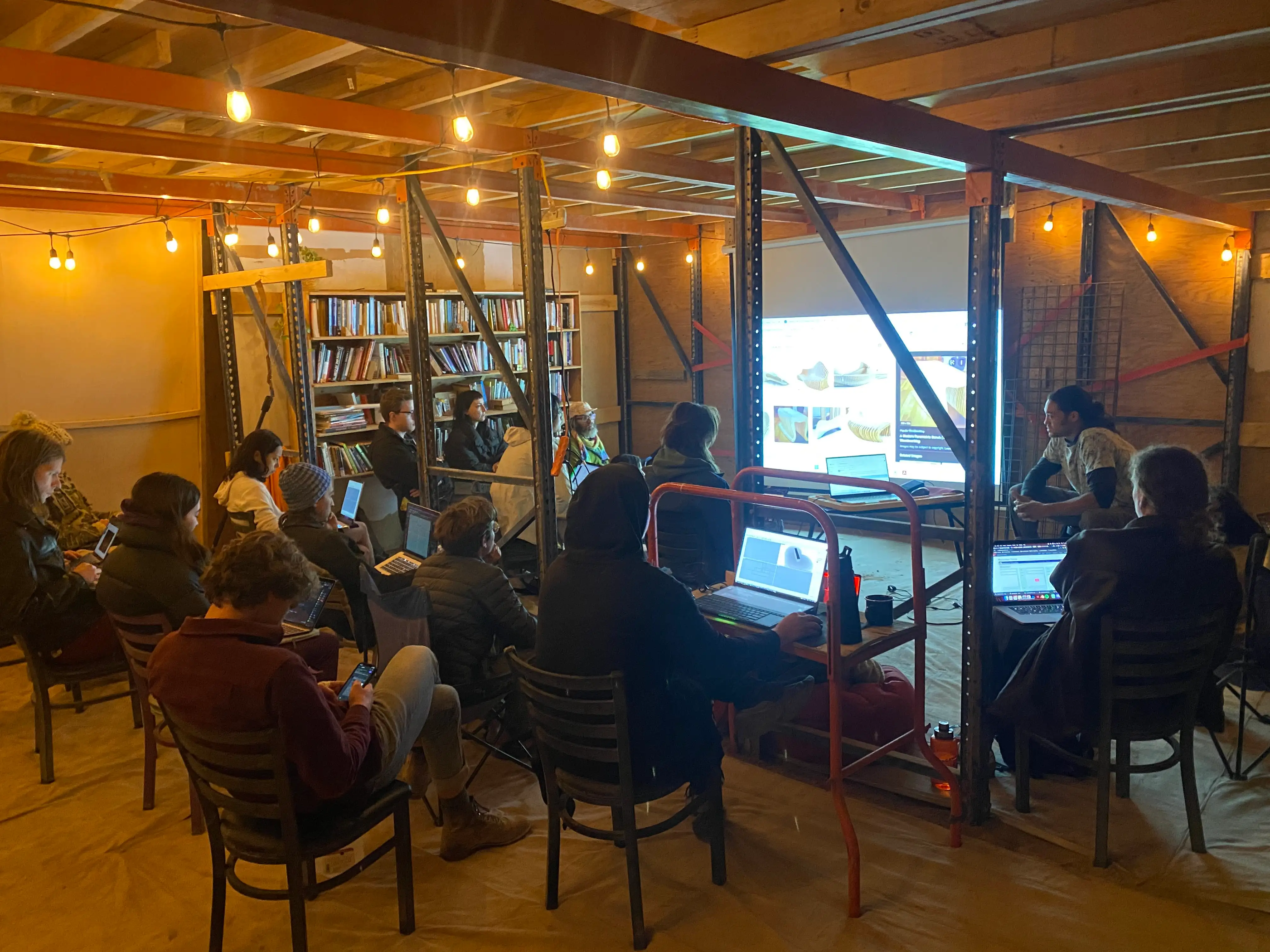
Mars runs on an open calendar. Past terms have included creative AI, vibe coding, filmmaking, music theory, ceramics and clay, breadmaking, fermentation, creative writing, screenwriting, yoga, acroyoga, Thai bodywork, contact improv, geometry, philosophy, solar power literacy, vanlife skills, 3D printing, digital architecture, foraging, desert ecology, and much more.
The end of the term is marked by a tradition we call Mars Electronica, a final week celebrating our work, which includes a film festival, art exhibition, and presentations for locals and Martians alike.
03 Mars Institute of Technology (MIT)
Outsmart the superintelligence.
The year is 2033. Recursively self-improving AGI has taken hold of the economy. Unemployment is at 90%. Bay Area rent is $50,000 a month. Sound crazy? It's the future every frontier-AI CEO is openly predicting, and the future we've been preparing for since we started Mars College.
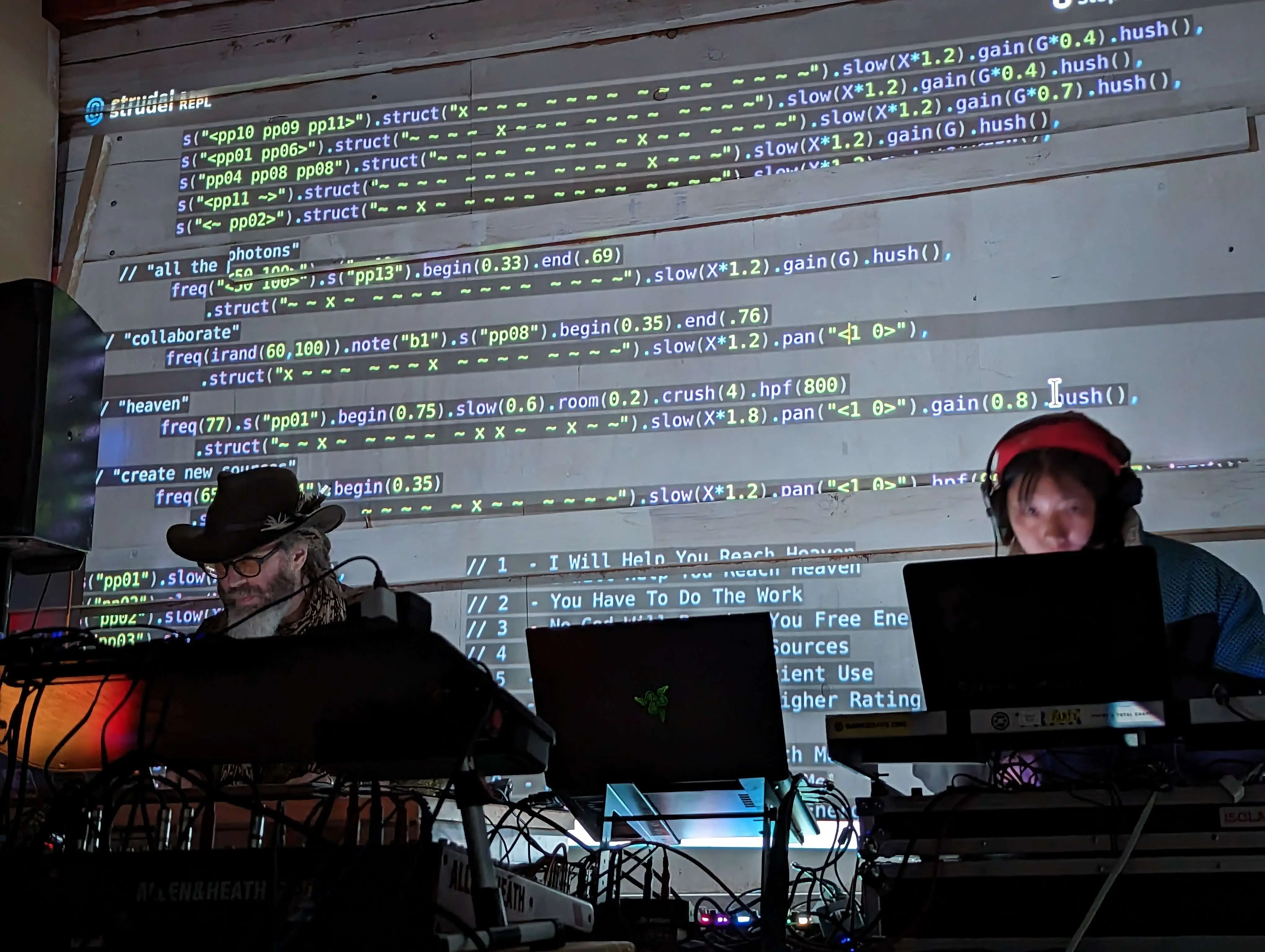
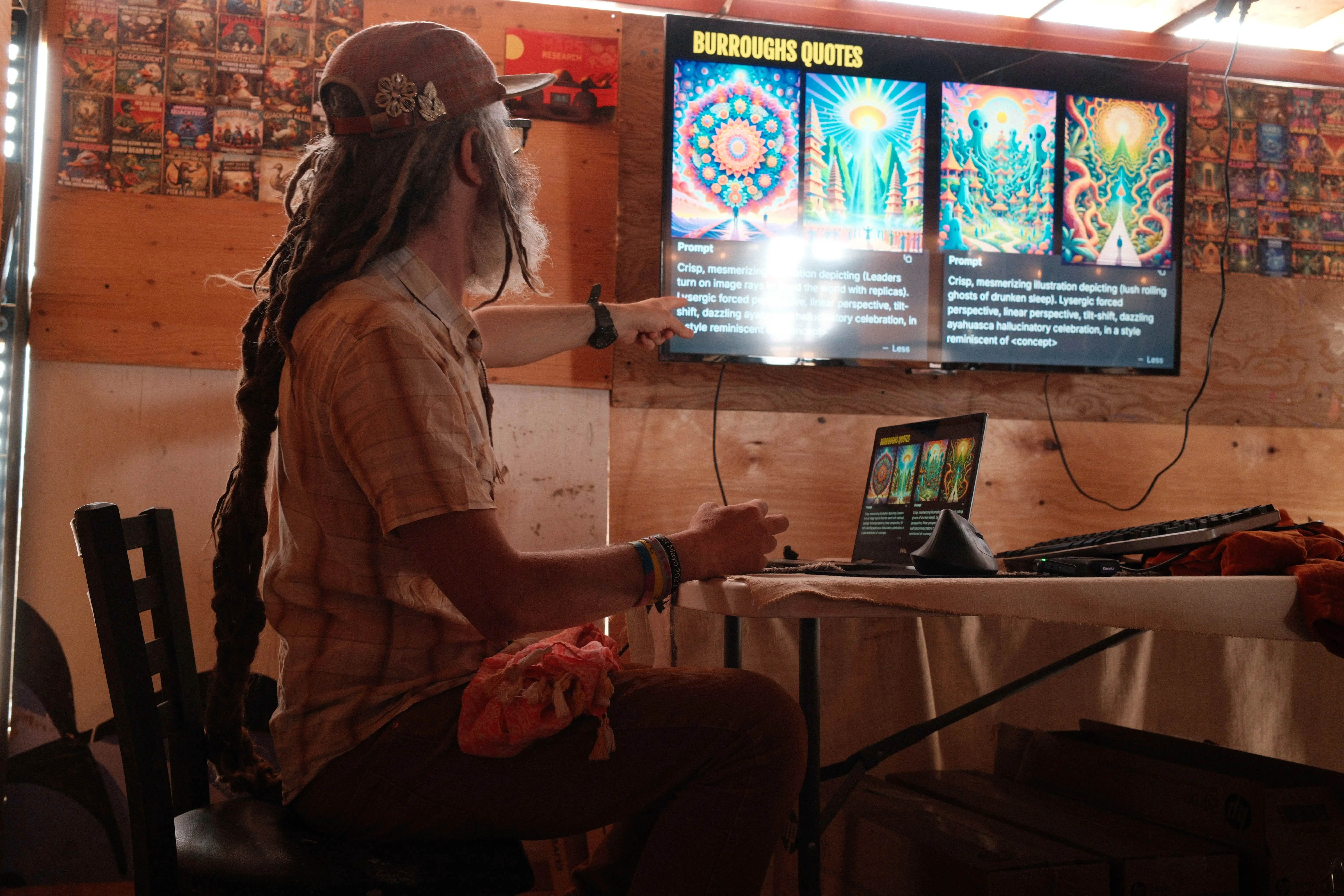
Against the backdrop of impending societal collapse, we are studying what we call "off-grid AI engineering", the art of being a human in an AI-dominated world.
"I think that AI will probably, most likely, sort of lead to the end of the world."
"There's a 25% chance that things go really, really badly."
Learn Off-Grid AI engineering
Here are the things every Off-Grid AI engineer learns to do at the Mars Institute of Technology (MIT).
- 01
Sovereign AI
Your coach, digital twin, chief of staff, guardian angel, or second brain. A local, open-source, self-hosted AI that answers only to you and supports your living, not the reverse.
- 02
Art with AI
Film, music, performance, live code. AI as an instrument, not a cliche.
- 03
Earning a living
How people using AI are making money now, and how you might.
04 Off-grid reality
Help build Mars.
Mars takes work. Wind, sun, and dust are constant, and nothing here comes ready-made. Food storage, power, internet, water, and waste, things usually taken for granted, all get worked out from first principles by Martians every year.
Enter the Mars Department of Public Works. DPW is the crew that builds and runs every physical system at Mars: power, water, shelter, gear. They arrive in November to bare desert and hand the village over to everybody else the first Monday of January. DPW members get housing for the season, meals, and the general Mars fee waived.
There's deep expertise on the ground for every piece of it, and people who love to teach it. You don't have to arrive knowing how any of it works. You just have to come with an open mind, and a willingness to help.
-

Beat the elements -

Raise the racks -

Feed the Martians -

Electrify the village -

Water the desert -

Sculpt the Earth
05 Seven ways into Mars College
Apply to Mars College.
Joining Mars starts with applying to one of the camps or proposing a new one.
-

DPW
Department of Public Works
Build the village. Run its physical systems. Raise the campus from bare lake bed with the DPW crew from November through spring.
Apply to DPW -

MIT
Mars Institute of Technology
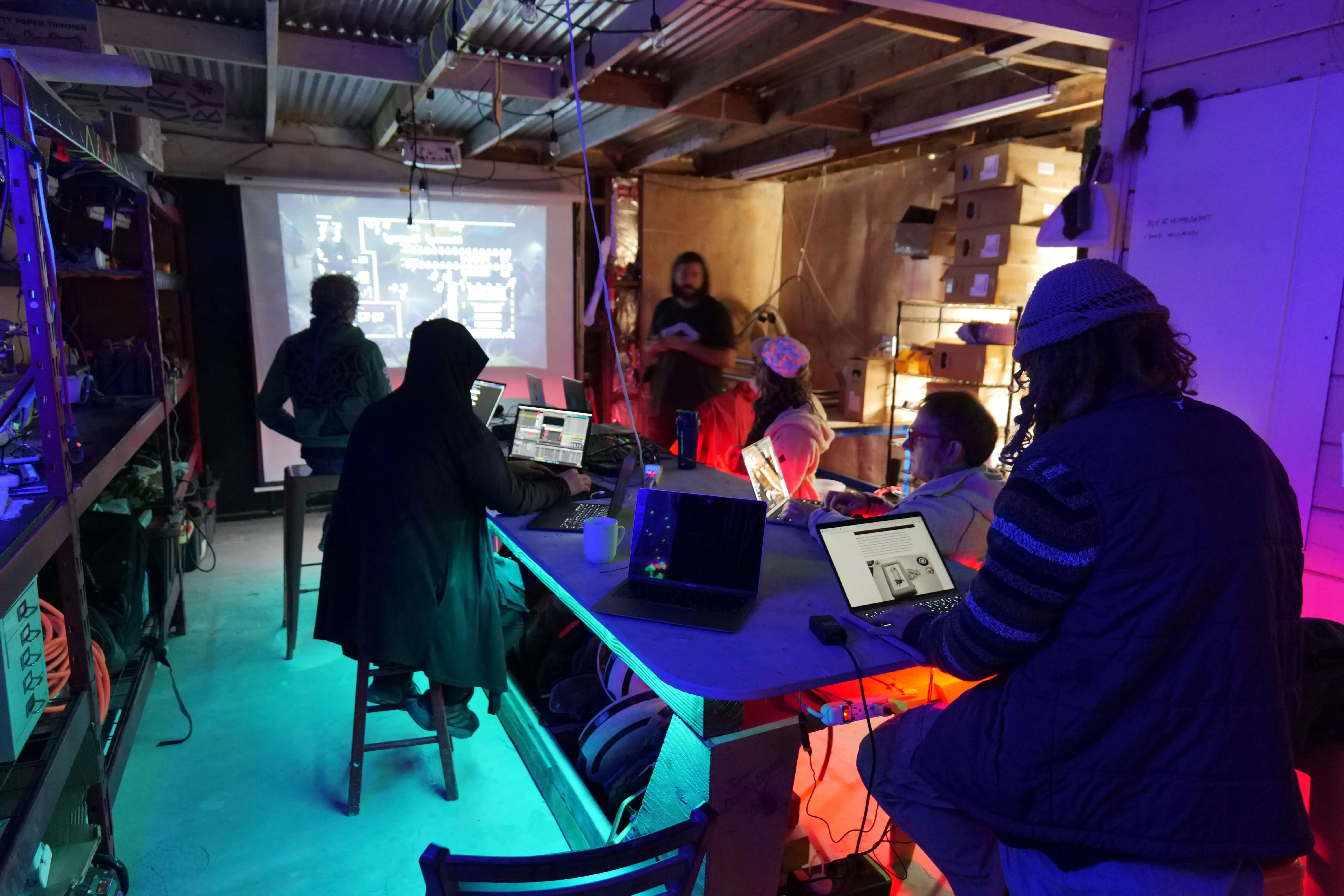
Take classes, make art, and learn off-grid AI: how to engage the digital world while sustaining an off-grid life.
Apply to MIT -

DOM
Department of Makers
Mars's makerspace and shared workshop: saws, drills, 3D printers, kilns, tools, and desks for people building things with their hands.
Apply to DOM -

Co Lab
The coherent community camp
A three-month immersion in coherent community: sociocratic governance, relational practice, and daily ritual.
Apply to Co Lab -

MMA
Martian Music Academy
Twelve weeks of making songs and building a scene, performing on a stepped pyramid of pallet racks raised for the season.
Apply to MMA -

Freeside
The Mars culture camp
A living cooperative of eight to twelve Martians: communal meals, shared chores, open mics and bonfires, and the craft of co-living well.
Apply to Freeside -

Incubator Camp
The program-building camp
For practitioners building programs in inner work: three months living together on Mars, teaching and testing them in community.
Apply to Incubator Camp
06 Frequently asked questions
-
01 Can I maintain my full-time remote job while I'm at Mars?
Yes, absolutely. Part of Mars College's raison d'être is to enable the dream life of remote workers. Mars's open calendar makes it easy to plan around your schedule, and our wifi is better than San Francisco's. In practice, remote workers make up a good share of every cohort: they keep their hours and live the rest of the day on Mars.
-
02 How much does this cost?
The base cost is about $1,500 for three months on the ground — roughly $500 in Treasury fees (toilets, internet, shared water, aid) plus about $900 in camp dues (mostly food) plus $100–$600 for a place to sleep if you don't have a van. Building crew (DPW), grant recipients, and micro-business operators earn most or all of it back.
-
03 What do I have to do?
Contribute in a real way. There are a multitude of ways to participate in the Mars economy: cook, teach, build, repair, run a concession, offer a service, or take a role in DPW, Treasury, or a camp. Every year we ask each person to leave something behind: a presentation, a performance, an installation, a class, a ritual, a service.
-
04 Why are you doing this?
Because we love the scene Mars cultivates and we think more people should live like this. Mars is an experiment in what a small, self-organized, deeply strange community can build together. We want to keep making it, and we want to share it with the people who'd be at home here.